'No Other Choice' is a killer capitalist satire
Park Chan-Wook's latest follows a laid-off worker eliminating the competition

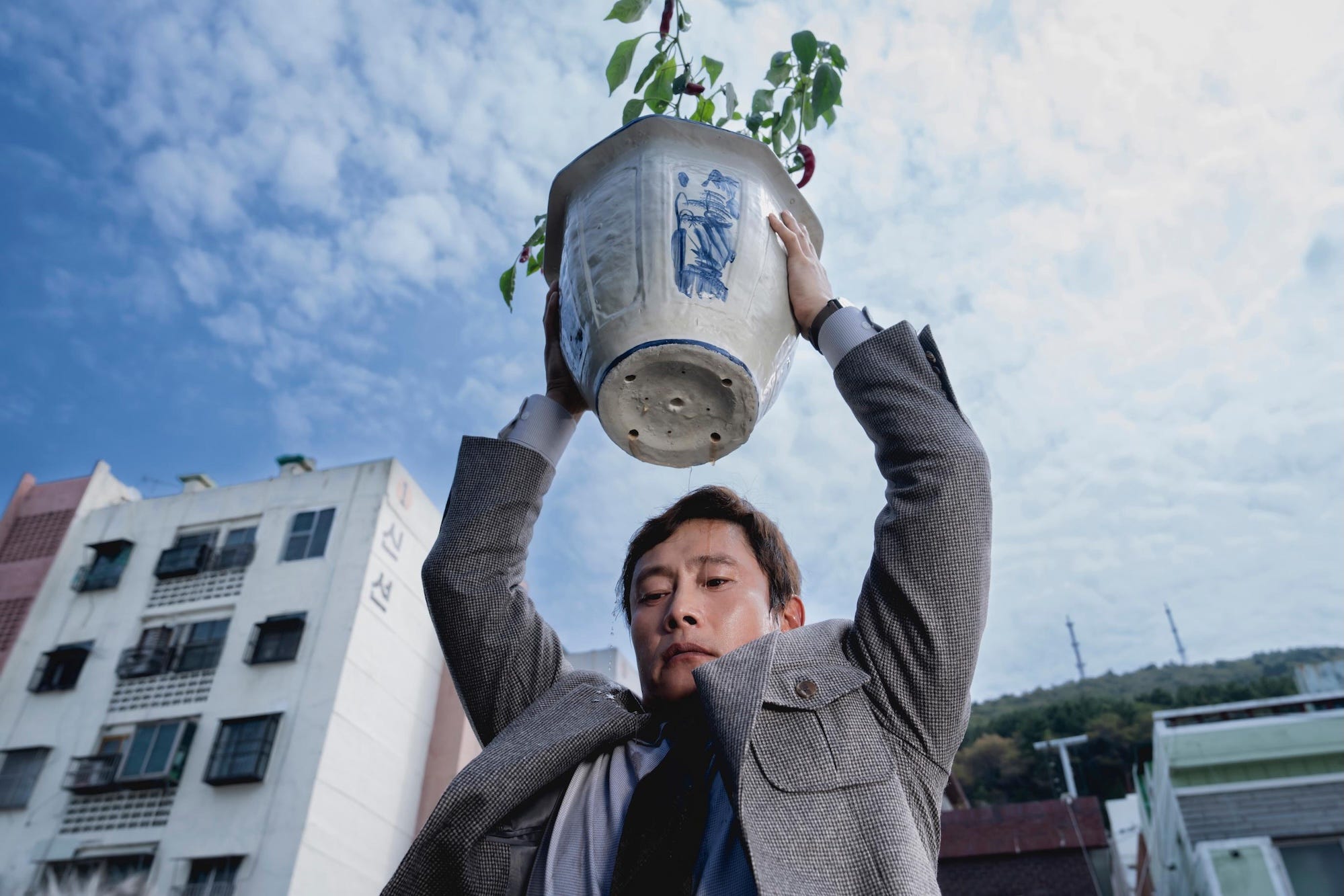
At various points in Park Chan-Wook’s “No Other Choice,” different characters say some version of the title phrase to justify their behavior. Of course, everybody has a choice. But they’re all trapped in a dog-eat-dog capitalist system, one where you need to hurt someone else – a co-worker, an underling, a competitor – in order to help yourself a little.
You have no other choice. You can’t imagine any other way of living. It could mean laying off workers to keep your shareholders happy, or undercutting a rival for a promotion, or selling an inferior product at a higher price to keep the profit margins high.
Or it could mean murder.
In Park Chan-Wook’s deliciously dark adaptation of Donald Westlake’s novel “The Ax,” the cutthroat nature of business is made literal, as a meek man finds he will go to any lengths to save his career. After the relative restraint of his last film, the Hitchcockian “Decision to Leave,” Park lets loose in “No Other Choice,” a funny, violent and, above all, angry satire about the dehumanizing effect of the modern workplace.
“I’ve got it all,” sighs Yoo Man-su (Lee Byung-Hun), as he looks happily at his life. He has a good job as a middle manager at a South Korean paper company, and lives in his family’s beautiful home outside Seoul with his doting wife Mi-ri (Son Ye-Jin), two beautiful children, Si-one and Ri-one, and two adorably floppy golden retrievers. It’s the picture of modern upper-middle-class contentment, shot by Park in blindingly bright colors as if we were looking at his life on Zillow.
But then an American company acquires Yoo’s paper company and pulps the employees. Soon, Yoo finds himself sending out resumes, abasing himself in interviews, scrambling for the few open jobs left against other laid-off middle-aged men like himself. At home, Mi-ri institutes strict budget cuts, including canceling Netflix and sending the dogs away.
Lee, who audiences may best know from another capitalist satire, “Squid Game,” beautifully captures Yoo’s humiliation and desperation at losing his status as a breadwinner. So the audience is ready when he makes the next, unthinkable leap – improving his chances of getting hired in a tough job market by thinning out the competition a little.
As we meet these other downsized men, including a kindly shoe store clerk and an audiophile afraid to pursue his true dream of opening a music cafe, the irony is that Yoo’s victims are the only ones who truly understand what he’s going through – the shame, the confusion, the fear. But, instead of finding common cause, society pits them against each other.
Yoo posts a fake want ad for exactly the kind of job he wants, and sees who applies, and determines which applicants he needs to eliminate. A scene where he goes through resumes, marking off qualifications, to determine which candidates would probably beat him out for a job (and therefore need to be killed) and which he can spare is hilariously dark.
Yoo starts out as a truly incompetent assassin, and Park stages his hapless early attempts with a Coen Brothers-esque mix of comedy and brutality. A scene where a squeamish Yoo finds an alternative to cutting up a body of one of his victims ends with a riotously cruel sight gag. But as his body count mounts, Yoo gets better at killing – there’s nothing like on-the-job training.
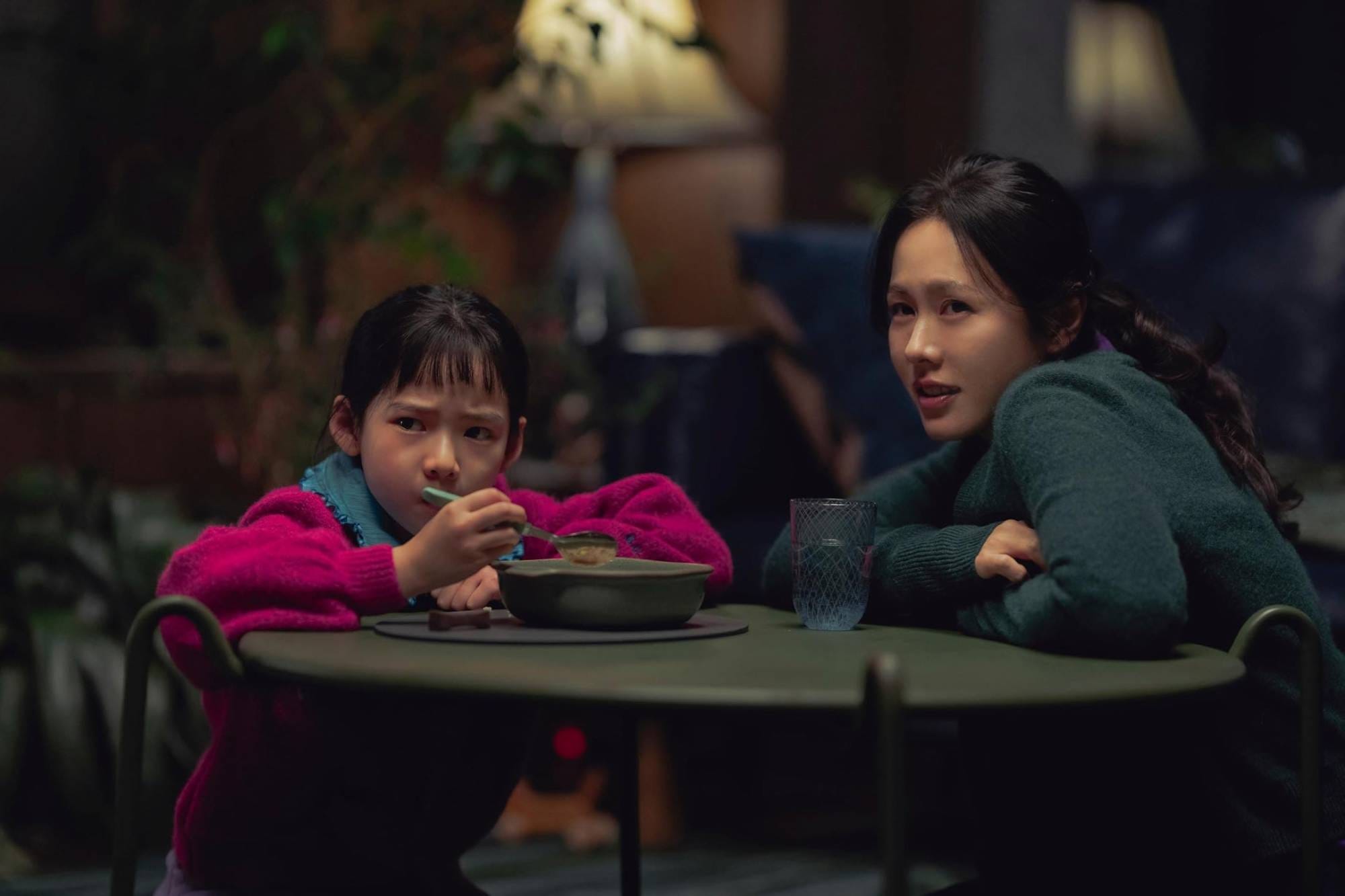
The director of “Oldboy” and “The Handmaiden” is a grand master with the camera, and “No Other Choice” is packed with daring, unusual shots, pans and dissolves that keep the audience adrenalized. (My favorite: a slow dissolve from Yoo’s house to a bonfire that makes it look like the home is in flames.)
As we meet these other downsized men, including a kindly shoe store clerk and an audiophile afraid to pursue his true dream of opening a music cafe, the irony is that Yoo’s victims are the only ones who truly understand what he’s going through – the shame, the confusion, the fear. But, instead of finding common cause, society pits them against each other.
At 135 minutes, “No Other Choice” probably runs in a little long – a subplot involving Yoo’s teenage son getting into a jam with police seems like it could have been easily jettisoned. But the film builds to a bitterly funny final gag that puts an exclamation point on Park’s critique of late-stage capitalism. The joke was on us all along.
“No Other Choice” is now in theaters. In Madison, it will open Friday at AMC Fitchburg 18.